Cheesemonger’s Challenge. A Cider and Cheese Pairing: Tilted Shed Ciderworks GRAVIVA! Cider

Cheesemonger’s Challenge:

Cider and Cheese Pairing with Tilted Shed Ciderworks 2012 GRAVIVA! Semidry Cider

Conceived by our resident Cheesemonger. Originally posted on: Consider The Rind
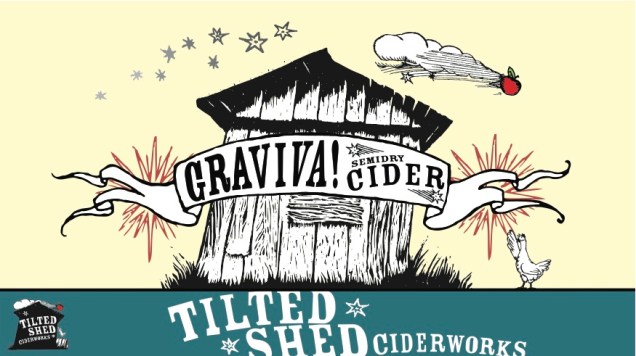
Graviva! label5-13X

Our pen pals at Tilted Shed Ciderworks have just released the 2012 vintage of GRAVIVA! their semidry cider featuring the Gravenstein, an endangered heirloom apple. We have yet to encounter any Tilted Shed ciders here on the East Coast but here at UnitedStatesofCider they have been present in many of our cider daydreams. When we drink cider we usually enjoy it with our other favorite obsession-  cheese. So for the launch of this new batch of GRAVIVA! I dreamed up a few supporting players for this fantasy cider session.

Since I have not (yet) tried GRAVIVA! I am basing the pairings on Tilted Shed Ciderworks own tasting notes:

The Gravenstein sparkles in this bright, crisp cider. The refreshing acidity is balanced with a touch of sweetness. We sourced the Gravs and other heirloom cider apples for this blend from organic growers in the Sebastopol area. The Grav lends its lovely aromatics, while a mix of “bittersweet” apples—which were specially developed over the centuries for fermented cider—imparts lively tannins. This is Sonoma County heritage in a bottle. Viva la Grav!

Great as an apéritif or celebratory bubbly, or pair with aged cheeses, spicy foods, and a hammock. Silver medal winner at the 2013 Great Lakes International Cider and Perry Competition.

grav

Some clues about the cider I pulled from this description:

  • “Bubbly” and “sparkles” = some type of carbonation or fizziness in the mouth
  • acidity
  • touch of sweetness
  • lively tannins

A brief ponderance on these qualities lead me to the following selections:

Cowgirl Creamery MT. TAM (from nearby Marin County, CA)
Bloomy rind, Triple Crème, Cow’s Milk
Tasting notes: Fresh Butter, whispers of Mushroom, Salt
Why this pairing?

  • Smooth and buttery. Triple crèmes must have at least 75% butterfat to be called such. It is achieved through the addition of cream or crème fraiche to the fresh curds. A decadent contrast to the often restrained qualities of cider.
  • Carbonation and Acidity from the cider will cut through the richness serving as a light and airy counterpoint to the dense and unctuous cheese.
  • The cheese is mild and fairly neutral, providing a creamy backdrop to show off the flavors in the cider. Apple or other fruit flavors when mingled with the cream flavors are likely to create the taste and mouthfeel of a fruit custard or cream pie.

The way I approach pairing is through the comparison of what I call Sameness or Differentness in the possible mates. I think about some traits of the focus item (in this case GRAVIVA! Cider), then scan through my taste memories in search of things that either share these traits or are very different. This particular pairing is an example of Differentness. In the case of Graviva! and Mt. Tam the cheese and cider have aspects (texture and flavor) that are opposite. Combining them brings more variety and enjoyment to the overall tasting experience. Opposites really do attract! Well sometimes. Too much differentness can produce negative results. One characteristic may overpower and obliterate the others or there might just be too many clashing flavors. It’s tricky; you’re looking for that perfect mixed doubles player who is going to complement your game, not a sparring partner to knock around.  Mt. Tam is a straightforward (albeit superb) little cloud that should showcase the cider without sacrificing any of its own flavors.

Laura Chenel CHABIS (Sonoma County, CA) 
Fresh, Goats Milk
Tasting notes: Sweet Cream, Lemon
Why this pairing?

  • The textures of fresh goat’s milk cheeses are chalky, flaky and light.  The light and lively characteristics of both the cheese and cider should keep either from overpowering the other. Acidity in the cider and the tangy lemony flavors in cheese are evenly matched. This is an example of Sameness. There is no struggle between the two.
  • The effects of acidity may even get a lift from the combination, intensifying the trait in the cider without destroying the cheese.
  • Sonoma County terroir. French production methods. (Note: not all herds are in Sonoma County, some are across the border in Nevada.)

Another aspect in which Graviva! and Chabis share sameness, is in their origins. This is a tried and true pairing technique used for all sorts of foodstuffs and drinkstuffs everywhere. The influences of the soil and atmosphere somehow create an understanding among things even though they may express the effects differently. Things that grow together rarely brawl. The use of Old World methods in the New World is another parallel that appealed to me for this match up. Laura Chenel was a pioneer of chévre bringing the wonderful French tradition of goats’ milk cheeses to the USA in the 1970s. The beet and goat cheese salad craze we appreciate today may not have happened without her. Tilted Shed is utilizing traditional European cider making methods to preserve apples and a piece of American heritage a la the cider revival. Food can be very philosophical. Thought provoking pairings should not be underestimated as they may add another layer of satisfaction to the already enjoyable experience of consuming two virtuous cohorts such as cider and cheese.

Uplands PLEASANT RIDGE RESERVE (Wisconsin)
Firm, Aged, Raw Cow’s Milk
Tasting notes: Nutty, Grassy, with a hint of Sweetness
Why this pairing?

  • Both the dry, slightly crumbly cheese and the effervescent cider are on the light side, nothing heavy or dense in either.
  • The nut and vegetal tones in the cheese may tame the acid and tannins in the cider and bring out some fruit notes. Just a hunch.

This pairing has both sameness and differentnessSameness in the textures.  Differentness in flavors. More complex than the other two cheese selections, Pleasant Ridge Reserve (especially the Extra-Aged editions) is fairly savory, and not at all tart. There is some sameness in flavor however with a “touch” or “hint” of sweetness described for both the cider and the cheese.  I am hoping this flavor echo is the thread that stitches it all into one very jolly amalgam.

If you are lucky enough to have Graviva! and any of these cheeses available to you I would love to hear your comments on the actual results of these pairings. Is it a cheese and cider dream come true? Nightmare? Somewhere in between? Only tasting will tell. Please share your experience.

(You can read more Adventures in Cheese at Consider The Rind and follow cheese related content @ConsiderTheRind on twitter)
5Ws of Cider: Scott Heath and Ellen Cavalli. Tilted Shed Ciderworks 2012 Graviva! Semidry Cider

5Ws of Cider: Scott Heath and Ellen Cavalli & Tilted Shed Ciderworks 2012 Graviva! Cider.

grav big red
Ellen Cavalli of Tilted Shed Ciderworks in Sonoma County, California answers our 5Ws of Cider pairing questions:

WHO: Scott Heath, co-owner & cidermaker, and Ellen Cavalli, co-owner & sales and marketing director.

WHAT:  Tilted Shed Ciderworks 2012 Graviva! Semidry Cider

Graviva! is our homage to the beleaguered, beautiful Gravenstein, which was Sonoma County’s main agricultural crop until post-WWII, when imported apples and eventually the wine industry put the squeeze on growers. Now there are around 600 acres left in cultivation, down from a few thousand just a couple of decades ago. It’s a blend of 50% Gravs with 50% heirloom and cider apples, including Hubbardston Nonesuch (a low-tannin, low-acid sweet from 1830s Massachusetts) and Nehou (a high-tannin, low-acid bittersweet from 1920s France), all organically grown on Sonoma County farms. It’s a lightly effervescent, bright, crisp cider with refreshing acidity, slight floral aroma, and a touch of sweetness and tannin.

We hand-washed, sorted, ground, and pressed the apples from August to October 2012 at our small cidery in west Sonoma County. Then Scott sent the juice onto a cool, slow fermentation in small batches until late March 2012. Our process is more akin to white wine production; the long fermentation allows the cider to develop more nuance and aromatics, which may be lost in a fast, hot ferment. Then Scott blended it, aged it for a month, then began bottling by hand. We released Graviva! in early May, for a total of 400 gallons.

WHAT TO PAIR WITH : Graviva! is fantastic as an aperitif, with cheeses (especially the sheep and cow dairy cheeses by our friends at Weirauch Farm & Creamery) and charcuterie. Its balance of acidity, sweetness, and tannin also makes it a great accompaniment to pork tenderloin, salmon, oysters, and spicy foods (especially curry dishes). I most like to pair it with is a hammock on a sunny day, but our most memorable pairing was with local salmon.
x
We serve it lightly chilled; 50 to 55 degrees is the sweet spot for releasing the aromatics.
x
WHEN & WHERE: The most memorable pairing we had with Graviva! was in late July 2012 at our house. Scott had just turned the Big 40, and we were three weeks away from launching our very first batches of ciders at Sebastopol’s Gravenstein Apple Fair. Early in the morning, Scott drove out to nearby Bodega Bay, where he bought a whole salmon straight off the fisherman’s boat. He smoked it in our wood smoker, and also made focaccia from scratch. Meanwhile, I picked and prepared a bunch of vegetables from our garden: cucumbers, carrots, green beans, and Sungold tomatoes. Our good friends and their kids came over, one friend brought the yummiest carrot cupcakes, we busted out a few as-yet-unlabeled bottles of Graviva! (we were still waiting to get the labels from the printer!), feasted on the best salmon we’ve ever had, and had a fun, noisy dinner party on our deck.

WHY: There is something inherently celebratory about Graviva! Not only did it make for a convivial dinner, it’s been poured instead of Champagne at weddings, and we recently served it on Mother’s Day as a toast to my  mom.

Graviva! label5-13X

To find out more:
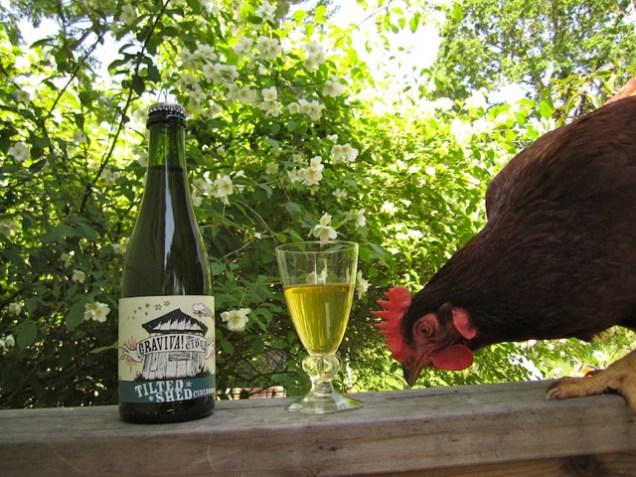
Note: The lovely chicken pictured is a Rhode Island Red, and her name is Big Red.


5Ws of Cider: Tilted Shed Ciderworks 2012 Graviva! Semidry Cider

Graviva! label5-13X

The Second installment of The 5Ws of Cider:

The Featured Cider:

Tilted Shed Ciderworks 2012 Graviva! Semidry Cider

The Gravenstein sparkles in this bright, crisp cider. The refreshing acidity is balanced with a touch of sweetness. We sourced the Gravs and other heirloom cider apples for this blend from organic growers in the Sebastopol area. The Grav lends its lovely aromatics, while a mix of “bittersweet” apples—which were specially developed over the centuries for fermented cider—imparts lively tannins. This is Sonoma County heritage in a bottle. Viva la Grav!Great as an aperitif or celebratory bubbly, or pair with aged cheeses, spicy foods, and a hammock. Silver medal winner at the 2013 Great Lakes International Cider and Perry Competition.

2012 harvest

7% ABV

375 & 750 ml

Picture

The 5Ws of Cider Pairing: Next Up: Tilted Shed Ciderworks of Sonoma County, California

LOC apple image

The 5Ws of Cider Pairing.

The 5Ws is a recently launched feature where we ask cider makers to share their favorite cider & pairing.

We give you the brand, the cider, and pairing from some of Americas most interesting craft cider makers.

We think makers who take the time to craft a well made cider, probably have some pretty interesting pairing suggestions.

Next up: Scott Heath & Ellen Cavalli and Tilted Shed Ciderworks 2012 Graviva! Semidry Cider

The juice of the apple is naturally affected by the condition of the fruit itself. Sound words from the Encyclopedia Britannica 1911

cropped-observations.jpg

Fruit-growers who look to cider-making “as a means of utilizing windfalls and small and inferior apples of cooking and dessert varieties not worth sending to market” should be warned that it is as important to the cider industry that good cider only should be on sale as it is to the fruit-growing industry that good fruit only should be sent to market. The juice of the apple is naturally affected by the condition of the fruit itself, and if this be unripe, unsound or worm-eaten the cider made from it will be inferior to that made from full-grown, ripe and sound fruit. If such fruit be not good enough to send to market, neither will the cider made from it be good enough to place before the public. Nevertheless, it may furnish a sufficiently palatable drink for home consumption, and may therefore be so utilized. But when, as happens from time to time in fruit-growing districts, there is a glut, and even the best table fruit is not saleable at a profit, then, indeed, cider-making is a means of storing in a liquid form what would otherwise be left to rot on the ground; whilst if a proportion of vintage fruit were mixed therewith, a drink would be produced which would not discredit the cider trade, and would bring a fair return to the maker. (C. W. R. C.)

source: http://www.1911encyclopedia.org/Cider

Cider Review: ANTHEM CIDER: Cider52

Trained&PrunedAppleTree

Cider: ANTHEM ORGANIC TRADITIONALLY FERMENTED CIDER

Maker: Anthem Cider

(Anthem is crafted by the makers of Wandering Aengus)

Origin: Salem, Oregon

website: anthemcider.com

ABV: 5.5 %  Bottle: 22 oz., crown cap

Makers Style Notes: Anthem Cider – offers the tart acidity of the apple’s natural malic acid with a clean fruit forward finish. Anthem Cider is the foundation for all the Anthems. Semi-Dry. Medium Tart. 5.0% to 6.5% ABV.

Fruit: Apple. Washington and Oregon.

Makers Fruit Notes: Anthem Traditionally Fermented Cider, is brewed with Honey Crisp, Gala, Granny Smith and Golden Delicious apples. 90% Organic. Anthem uses only whole apples, pressed and fermented.

A Few Cider Makers Notes:

The first batch of Anthem Cider was kegged March 10, 2010 on the belief that we at Wandering Aengus Ciderworks can make a great draft cider without compromise.

So what is a great draft cider without compromise? Basically, it is a cider made the way people expect a cider to be made; starting with actual apples, pressing them, and fermenting the fresh juice only days after.

Since the character of apples vary widely between varieties, harvests, terroir, and keeping, our cidermaking is geared to accent those differences, not hide them. We hope you and your palate learn to appreciate and savor the diversity

Read more about Anthem’s goals here.

Our Tasting Notes: May 10, 2013.

In The Glass: Clear, light, bright, brassy gold. Itty-bitty bubbles.

Aroma & Taste: Dessert apples, cotton candy, licorice, apple peel tannins, damp bark and wet wood. A bit of vanilla,  particularly on last sip. Empty glass reverberates notes of sweet and wood. Light body, balanced leaning toward bitter/tannin axis, medium acidity, short to medium finish, no real aftertaste, slight warming effect on tip of tongue.

Taste Scale: From 0 Low – 9 High: ANTHEM Cider gets: Bitter 6,  Sour 4.5, Sweet 3, Salty 1, Umami 1.

Our Pairings – The Tasting Lab: Tried with chorizo sausage and garlicy kale. Nice and chewy with the fiery spice of the chorizo and the bite of the garlic and bitter greens. (As noted in several past reviews – we think cider is a great mate to bitter greens).

Overall Impressions: Very accessible complexity. Cleverly comes on tarted up like a mass market cider, then delivers something quite different. Instead of the saccharine flavors the initial aromas might suggest,  Anthem is surprisingly more complex, with incontestable tannins, distinct bitter notes, and only hints of sweet, sweet apple. Anthem is definitely a gateway cider.  

Reviewers NoteANTHEM Cider possesses a unique damp orchard  aroma. Hints of a distinctly Northwest sous bois or at least a Wandering Aengus/Anthem cidermakers sous bois’. More on this in our review of Wandering Aengus’ Wanderlust, coming up.

Cider Review: Breezy Hill Orchard Barrel Tasting. Cider Salon: Six Samples and Ciders. Cider 52

Trained&PrunedAppleTree

Cider: (6) Various ciders and barrel samples.

Maker: Breezy Hill Orchard and Cider Mill

Origin: Staatsburg, New York

website: www.hudsonvalleycider.com

Fruit: Apple. Various orchards.

Cider Maker: Elizabeth Ryan


Cider: Hudson Valley Farmhouse Stone Ridge Scrumpy

Maker’s Style Notes: It’s alive! Fresh apple flavors and the aromas of yeast, some residual sugar, and natural carbonation in the bottle bring you a drink for all seasons. No sulfur, very unfiltered.

Our Impressions: A full round mouthfeel, yeast and honey aromas, apple syrup sweetness, effervescent.


Cider: Hudson Valley Farmhouse Farmhouse Cider

Maker’s Style Notes: American apple varieties grown in the Hudson Valley and a bit of sweetness make a refreshing beverage that can be sipped by itself or with a meal. No sulfur, not filtered.

Our Impressions: A favorite old friend that we always enjoy visiting. Zesty and alive, a refreshing anytime cider. Provokes rustic 18th century thoughts.

Cider: Hudson Valley Farmhouse Apple Seed Cider

Maker’s Style Notes: A blend of American and European cider apples creates rich, more complex aromas. Strong acidly like crisp white wine means you can pair this cider with any meal. Barrel samples, unfiltered.

Our Impressions:  Winey. Reminiscent of Sauvignon Blanc. Crisp and silky.

Cider: Hudson Valley Farmhouse Lady Apple Cider

Maker’s Style Notes: A single varietal. Unfiltered. Made by the ancient Pomme d’api. Brought by the Romans to England.

Our Impressions: Easy drinking. Mellow apple flavor. More sweet than tart but balanced. A fine lady indeed.

Cider: Dabinett Blend -Barrel Samples

Maker’s Style Notes: A beloved French variety. Complex flavors and more tannins. Unfiltered.

Our Impressions:  Pleasing subtle structure with soft tannins and a smooth light sweetness.

Cider: Ellis Bitter Blend – Barrel Samples

Maker’s Style Notes: A unique blend of bitter and acidic apples. Unfiltered.

Our Impressions: Complex and intense. A diverse array of bitter flavor elements are present more so than we have ever experienced as most commercially available ciders tend to have one or two bitter notes if any at all. Symphonic with lots of tannins and acid that support and supply structure. Delectably illustrates the concept of blending for structure and balance and unique fruit expression. Makes us curious to find out more about the old English cider apple, Ellis Bitter, used in this blend.

Note: All of these ciders and barrel samples were tasted May 10, 2013 at the Cider Salon hosted by Jimmy’s No. 43 to benefit Breezy Hill Orchard and Cider Mill and their campaign to raise funds to Rebuild Historic Cider House at Greenmarket Farm Breezy Hill. Find more about funding and rewards via Kickstarter.

Cider Knowledge: This type of tasting is a terrific way to get a glimpse into the growers and cidermakers process and learn a bit about how they approach fruit choices and utilize blending in the development of their fruit and cider portfolio.

Note on fruit sources: Elizabeth Ryan is the primary grower and principle cidermaker. Multiple orchards supply the fruit for these ciders.


IAMCIDER. Photographer Bill Bradshaw.

Screen Shot 2013-04-17 at 19.41.08
IAMCIDER. Photographer Bill Bradshaw.
x
If you know the world of cider, you are likely familiar with the work of UK-based photographer and author, IAMCIDER. Bill Bradshaw.
x
A professional photographer who began documenting cider culture in words and pictures as part of a 2004 project recording children’s experiences in orchards for local heritage initiative, Apple Villages, IAMCIDER explores “the fringes of the cider world through a lens”.
x
Visit his site to read more about the roots of IAMCIDER, and view his extensive collection of cider images.
x
When not capturing the world with his professional kit – he sometimes shoots with his phone. The deceptively easy and accessible qualities of ‘phoneography’, belie the craft of the shooter, while the simplicity and immediacy of the process enhance the ‘real-ness’ of these images, intimately engaging the viewer.
X
To find out more about IAMCIDER. Bill Bradshaw, and the many cider and apple projects he has in the works, including 3 upcoming cider books, visit these links:
IAMCIDER. Bill Bradshaw
Twitter:  @IAMCIDER
Skype:  the.bill.bradshaw
All images courtesy of the photographer. All images copyright © Bill Bradshaw

Terminology: Defining The Fruit

061_medium

Defining the Fruit 

From The National Association Of Cider Makers “The voice of the UK’s cider makers”.

website: cideruk.com 

Cider apple varieties are divided into four categories according to the relative proportion of acidity and tannin:

Sweet varieties are the blandest of the four categories, being low in both components. They are useful to blend with ciders from the more strongly flavoured varieties, which, by themselves, would be too extreme in taste and aroma to be palatable. Typical examples of sweet apples are Sweet Coppin, in use to a small extent, and Court Royal which was used extensively at one time but rarely used nowadays.

Bittersweet apples impart the characteristic flavour of English ciders; as the name implies they are low in acid and high in tannin. The latter is responsible for two sensations on the palate – astringency and bitterness. In the bittersweet apple, there is a whole range of combinations of these two characteristics, varying from little astringency coupled with intense bitterness to very marked astringency coupled with mild bitterness. Typical bittersweets are Dabinett, Yarlington Mill and Tremlett’s Bitter.

Sharp varieties, so called because the predominant characteristic is that of acidity, are encountered less frequently today, possibly because culinary fruit, which has a similar flavour balance, can be substituted for this class. There are, however, recognised full sharp cider varieties, two of which are Crimson King and Brown’s Apple.

Bittersharp is the fourth class of cider apple. These are fairly high in acid and tannin, although the latter component does not show the wide range of flavours exhibited by the bittersweet.  Stoke Red is a good example.

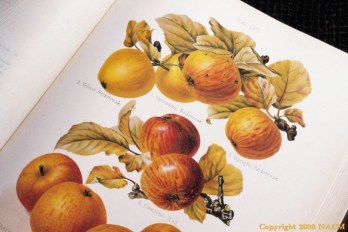
Image: 1860s Cider Apples from The Herefordshire Pomona. Illustrations by Miss Ellis and Miss Bull.

Image and definitions courtesy of NACM. Used by permission.

Great Cider Starts With Great Fruit.

We Like Cider.

And you can’t really like cider without being fairly keen on apples.

To quote the esteemed makers at Farnum Hill Cider & Poverty Lane Orchards:

Anywhere, in any words, great cider starts with great fruit.”

We Like Apples.

Expect more about apples – orchards, pollinators, varietals, history, tastings, fruit expression.

We Are Apple Drinkers.*

LOC apple image

*A nice turn of phrase from the always interesting American Orchard.