REMATCH: Cider + Cheese. A Tasting with Tilted Shed Ciderworks and Apple Sauced Cider.

REMATCH: Cider + Cheese Pairing  

A while back we posted A Cheesemonger’s Challenge: Cider and Cheese Pairing with Tilted Shed Ciderworks 2012 GRAVIVA! Semidry Cider, conceived by our resident cheesemonger, and originally published at: Consider The Rind.
Graviva! label5-13X

The Idea: Select an interesting cider we have yet to try, and relying on the cider maker’s tasting notes, attempt to create a successful (at least on paper) cheese pairing.

Tilted Shed Ciderworks 2012 GRAVIVA! Semidry Cider from Ellen Cavalli and Scott Heath of Tilted Shed Ciderworks in the Russian River Valley, Sonoma County, California, was our cider pick. (You can read the original post here).

In reply to our challenge, the folks at Tilted Shed Ciderworks paired with Jolie Devoto-Wade and Hunter Wade of Apple Sauced Cider, and taking cues from our suggested cheese selection, created their own taste-off adding Apple Sauce Cider’s Save The Gravenstein to the mix.
APPLE SAUCED LOGO

Expanding on the original, the Sebastopol cider makers cheese selection included several local artisanal cheeses – guided by the pair local ‘what grows together goes together’ principle. 

Visit the Tilted Shed Ciderworks blog to read the full post: First-ever Sebastopol Cider and Cheese Challenge and learn the results of their actual cheese challenge tasting.

Save A Heritage Apple. Drink a Gravenstein Paired with Local Cheese.
Saving Apples by Making Cider. Drink a Gravenstein Today.

Gravenstein

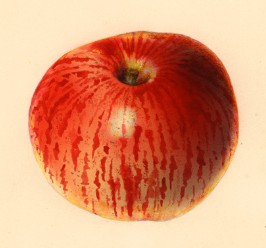
Pomme Fruit: Gravenstein Apples In The Russian River Valley, Sonoma County, California.

The Sebastopol Gravenstein, a vividly colored, aromatic, flavorful heirloom apple is historically important in the Russian River Valley. So dominant in the region, the ribbon of roadway running through the acres of orchards became known as The Gravenstein Highway – honoring the apples prolific presence. Declining prices for processing apples, the increasing popularity of other more ‘commercially viable’ apples, and a booming West Coast wine industry, all led to Gravenstein orchards being ripped out to make way for the extremely lucrative wine grapes that now populate the region.

David Karp, writing for the LA Times:

“Gravenstein is still a favorite in northern Europe and is cultivated from Nova Scotia to the Pacific Northwest, but it reaches its greatest perfection in the Sebastopol district of western Sonoma County, at the border of the maritime and inland climatic zones, where the morning fog gives way to a moderately hot afternoon sun. The area’s fine, sandy loam soil is well suited to apples. The huge trees, grafted on seedling rootstock, develop roots deep enough to survive the dry summers without irrigation.”

Concerned Sonoma County cider makers are working to revive interest in this heirloom apple by focusing on the Gravenstein’s many desirable cider worthy traits, crafting ‘Gravs’ into unique ciders that celebrate and express the heritage of the apple and the region.

Saving Apples by Making Cider. Drink a Gravenstein Today.

Find A Gravenstein Cider:

Tilted Shed Ciderworks: Graviva! Semi Dry Cider

Apple Sauced Cider: Save The Gravenstein! Cider

Devoto Orchards Cider: Gravenstein first release October 14, 2013

Gleanings (sources for further reading):

LATimes: The future of Gravenstein apples hangs on a thin stem by David Karp

NPR: Gravenstein Apples: The End Of Summer In A Fruit by Nicole SpIridakis

Zester Daily: The Fight To Save Sonoma’s Gravenstein Apple by Tina Caputo

Slow Food USA Ark of Taste: Sebastopol Gravenstein

Slow Food USA Sebastopol Gravenstein Apple Presidia

Gravenstein apple image (detail) – credit: “U.S. Department of Agriculture Pomological Watercolor Collection. Rare and Special Collections, National Agricultural Library, Beltsville, MD 20705”

Link: The future of Gravenstein apples hangs on a thin stem. July 12, 2013 By David Karp. Special to the Los Angeles Times


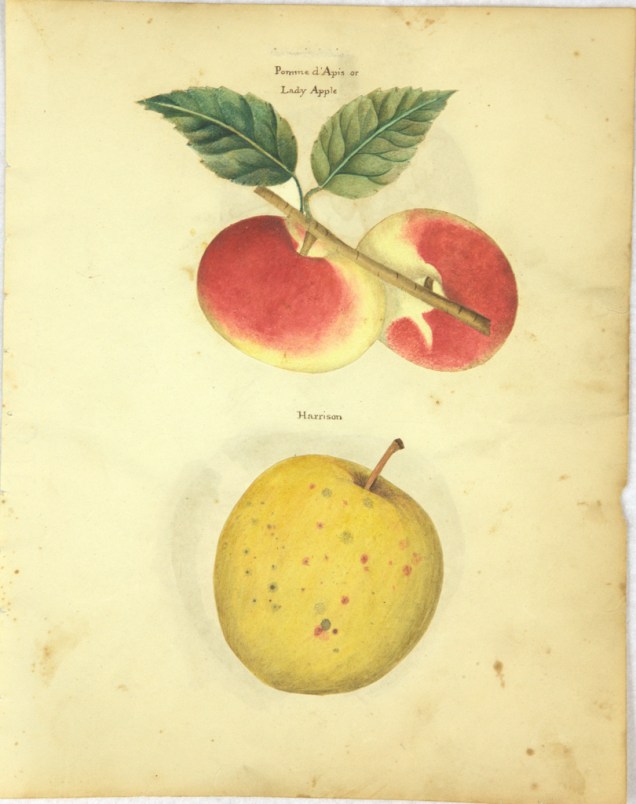
Pomme Fruit: The Harrison Apple. 2 Views: circa 1817 and 1899.

Circa 1817 image (left)  from the unpublished atlas of Wm. Coxe. Illustration executed by one of Mr. Coxe’s daughters, possibly Elizabeth (Coxe) McMurtrie.

Image Credit: Special Collections, National Agricultural Library.

1899 image (right) painted by Deborah Griscom Passmore, an illustrator for the USDA.

Image credit : “U.S. Department of Agriculture Pomological Watercolor Collection. Rare and Special Collections, National Agricultural Library, Beltsville, MD 20705″

http://usdawatercolors.nal.usda.gov/


“Water colors with wonderful fidelity to nature and with such delicacy of touch and such genuine artistic sense of color”

According to a letter to the Editor (extract presented below) of The Country Gentleman, from Mr. E. L. R. of Baltimore, Md:

Mr William Coxe was for several years a member of Congress from New Jersey but such was his fondness for pomology that notwithstanding the many demands upon his time in consequence of his political and other pursuits he still found leisure to collect materials for an enlarged and elegant edition of his work on Fruit Trees.

This unfortunately, he did not live to bring to perfection. It had been his intention that the second edition should have contained beautiful colored engravings to accompany the descriptions of each of the fruits mentioned in his book. For this purpose his daughter, Mrs McMurtrie still living in Philadelphia, and her accomplished sisters had prepared numerous accurate drawings of life size upon Bristol board of the fruits to be represented and then painted them in water colors with wonderful fidelity to nature and with such delicacy of touch and such genuine artistic sense of color that it is greatly to be regretted that these evidences of early American art have not seen the light in the form originally intended.

source: The Country Gentleman, Volume 9 via Google eBook

L. Tucker, 1857

A journal for the farm, the garden, and the fireside, devoted to improvement in agriculture, horticulture, and rural taste; to elevation in mental, moral, and social character, and the spread of useful knowledge and current news.
x
A bit about William Coxe:
William Coxe wrote the first book on American pomology, A View of the Cultivation of Fruit Trees, and the Management of Orchards and Cider published in 1817. This seminal work can be read online via google books and archive.org.
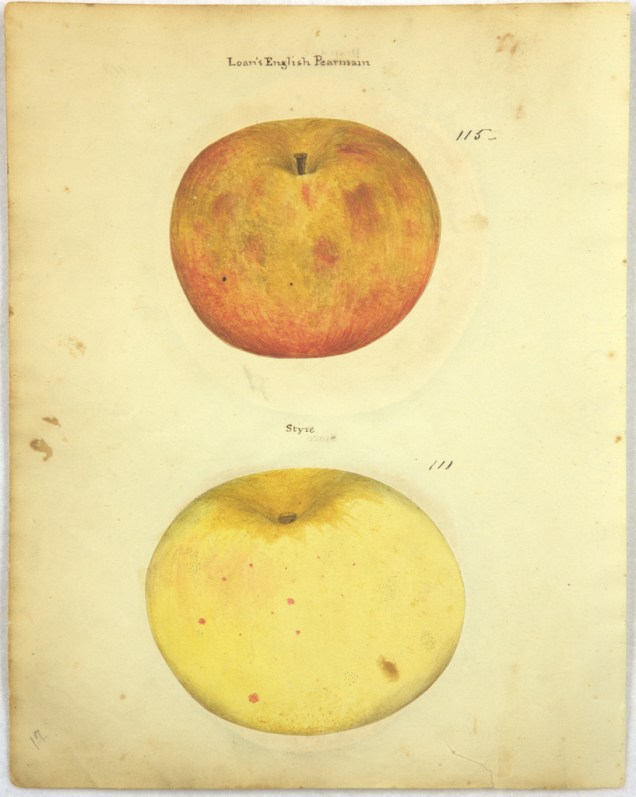
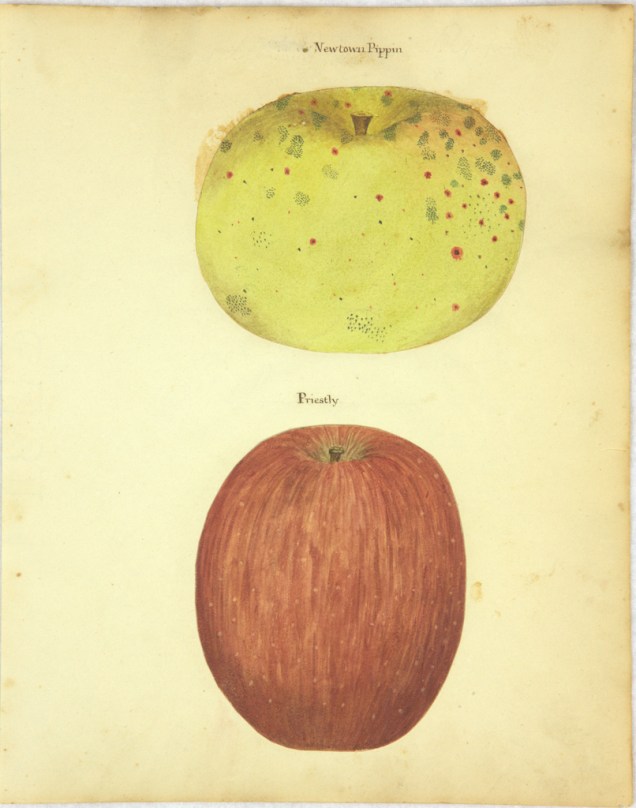
The watercolor pomological illustrations presented here are from an unpublished atlas of apples that is in manuscripts collection of USDA National Agricultural Library.

Collection Number: 44 Collection Name: Coxe, William, Manuscript

William Coxe also had a “national reputation for his cider, at an age when it was a famous and characteristic beverage this according to Proceedings of the State Horticultural Society at Its Annual Session, Volume 42 , New Jersey State Horticultural Society, 1917.
For all additional information on William Coxe published on this blog, look here.


From The Atlas: Pomme d’ Apis or Lady Apple and The Harrison

WC3

Image Credit: Special Collections, National Agricultural Library.

Collection: William Coxe Manuscript. Contains Manuscript and Atlas. 

From The Atlas: Loan’s English Pearmain and Styre

WC4

Image Credit: Special Collections, National Agricultural Library.

Collection: William Coxe Manuscript. Contains Manuscript and Atlas. 

From The Atlas: Newtown Pippin and Preistly

WC1

Image Credit: Special Collections, National Agricultural Library.

Collection: William Coxe Manuscript. Contains Manuscript and Atlas. 

From The Atlas: Greyhouse and Winesap

WC2

Image Credit: Special Collections, National Agricultural Library.

Collection: William Coxe Manuscript. Contains Manuscript and Atlas. 

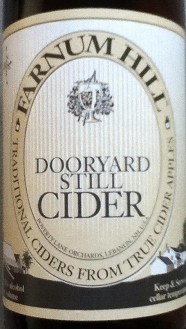
Cider Review: Farnum Hill Cider DOORYARD STILL CIDER Batch 1214: Cider52

Trained&PrunedAppleTree

Cider: FARNUM HILL CIDER DOORYARD STILL CIDER BATCH 1214 

Maker: Farnum Hill Cider & Poverty Lane Orchards   Origin:  Lebanon, New Hampshire

website: www.povertylaneorchards.com

ABV: 7.5%  Bottle: 750 ml, wine cork

Style Notes:  The Dooryard series are cider batches that departed from the flavor profiles of established Farnum Hill blends. Each keg or bottle of Dooryard Cider is marked with a batch number, allowing you to look up the details of your specific cider, giving you a glimpse into the cider making process at Farnum Hill.

Fruit: Apples. Golden Russet is a featured apple in this blend.

Cider Maker: Nicole LeGrand Leibon.

Makers Notes: Dooryard No. 1214 – Still, in Bottles:

Our first Still (no bubbles) Dooryard in a while, this opens with citrus and sweet florals. We used a high proportion of Golden Russet in this, and its fruity sweetness and full body comes through in the mouth, with pink grapefruit, sour cherry and quinine. The finish is long and fruity, with citrus and their peels carrying. (NL)

FH Dooryard Still

Our Tasting Notes:  

Farnum Hill Dooryard 1214 Still Cider pours a bright and shining rich roman gold, with gigantic bubbles that immediately fall dead still.

Slight smokey notes of tobacco leaf, whiskey, and oak meld with citrus peel, baked apple, roast honey, chalk and green pepper. A quick swirl offers up toasted hazelnuts, and a hint of pineapple.

The first taste is smooth, silky, pleasingly bitter, lightly tannic, a bit salty, with subterranean lingering apple tones.

Deliciously complex aromas confounded at first. On reading the cider makers tasting notes, the quinine with pink grapefruit peel became more clearly identifiable.

The floral aromas were more green than sweet reminiscent of lilies and tulips, herbaceous and slightly pungent.

Reading the cider maker’s tasting notes can be very helpful. Accurate, well written information from the cider maker can increase your cider knowledge, and enhance the cider drinking experience.

Overall Impressions: Extremely intriguing smokey and green floral aromas. Vinous and crisp, with refreshingly bitter flavors of quinine and grapefruit. An aromatic, complex and challenging cider. If you enjoy a brisk Gin & Tonic, and white wines with sharp minerality, this is a cider for you.

Taster’s Side Note: The fact that this is a very Golden Russet heavy cider, makes us want to explore other ciders that feature this apple.

Dooryard 1214 was featured as one of the The Ciders Of Summer. Our Favorite American Craft Ciders For Drinking Right Now, perfect for summer, but certainly a cider we would drink in these cooler months, if we could find a bottle.


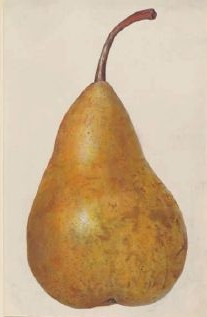
Other Pome Fruits: Pears and Quince Considered

bosc6_med

Other Pome Fruits: Pears and Quince Considered.

American cider makers are exploring cider beyond the apple. Pears, and even Quince, can be crafted into quite fine ciders. Along with our ongoing apple based cider research, upcoming posts will consider these other pome fruits, and the unique ciders, perrys and poires their artful fermentation produces.