Cider Review: Farnum Hill DOORYARD Batch 1206: Tasting Journal: Cider52

FHillDooryard1202ACider: FARNUM HILL DOORYARD BLEND 1206

Thoughts On A Bottle: Tasting Journal:

Review Note: Solo tasting. No team tasting pending as this batch of Dooryard cider is no longer available.

Makers Style Notes:

What ARE Dooryard ciders? “Lovely cider batches” that departed too much from the flavor profiles of established Farnum Hill Cider blends. The ongoing Dooryard series: experimental ciders, ranging from bittersweet to superfruity, that sell out quickly, never to be made again.”

Visit the Farnum Hill website to get specific notes on your batch of Dooryard using this link.

One of the best parts of drinking Farnum Hill Dooryard Ciders is reading the cider makers notes:

Cider Maker: Nicole LeGrand Leibon.

Cider Makers Notes on FARNUM HILL DOORYARD BLEND 1206: 

This new Dooryard was blended from our new big batch base 1205, a tank-end of 1211, and a partial barrel of 1311, Wickson.

This cider doesn’t color too far out of our usual Farnum Hill Ciders lines, compared to some previous Dooryard batches.  The nose carries a fair bit of BSA, but has bright spots of sour cherry and pineapple. There is pear and a little whiskey* in the nose, too.  The taste starts with a burst of fruity sweetness, but the sweetness drops quickly behind the bright acid and the nice, woody, BSA bitter. Orange and tangerine join the fruits from the nose, with a tiny bit of red candy.  The fruits in this one jostle for prominence; they take turns popping.

The astringency is moderately low, the feel medium-full.  The finish carries all of the fruits from the nose and taste, as well as a nice broad but mild bitter.  The whiskey note remains. Dare I say this reminds me of a tropical drink made with whiskey? Cherry on top.

-Cheers, Nicole

* I know. There’s always a caveat with me, isn’t there? The whiskey thing can be attributed to the barrels we use, because whiskey is aged in barrels, blah blah blah. The thing is, the barrels we use are neutral. REALLY neutral. Sold to us nigh on 15 years ago because the winemaker on Long Island we got them from thought they were too neutral THEN.  So we actually think a lot of the “whiskey” notes we get are just as likely to come from the apples we use. In fact, it has shown up in cider that was fermented in stainless steel, with no oak contact. Totally weird, huh? That’s why we still think we are learning. And why this job stays so fascinating. Weird stuff. Mother Nature is cool. Cheers to her!

Tasting Notes: Thoughts On A Bottle: Tasting Journal: 

In The Glass: Bright, clear golden, hint of amber in the glass. Extremely clear, shines. Subtle bead, light mousse. Slight legs, gentle tears.

Aroma & Taste: Fresh apple, baked apple fruit, sugar, spice, caramel, tropical fruit, pineapple, sous bois, orchard, wet grass, confectionary, winey, bit of barnyard, green pepper, black pepper, ginger-spice, honey, toffee.

Overall Impressions: Another interesting Dooryard Cider experience. Soft tannins, “juicy” acidity, hints of sweetness, lightly effervescent. Drinks like a tannic white wine. Probably drinking too cold and not getting the full spectrum of flavors, missing some of the subtle whiskey and bitter notes.

Cider: FARNUM HILL DOORYARD BLEND 1206

Maker: Farnum Hill Cider & Poverty Lane Orchards   Origin:  Lebanon, New Hampshire

website: www.povertylaneorchards.com

Fruit: Apples.

ABV: 7.5%  Bottle: 750 ml, champagne cork

Note: Tastings are generally team efforts. Occasionally we will post solo tasting notes. This is a solo tasting.

If you have tasting notes to add please leave a comment.
 

Cider Review: Aaron Burr BOURBON BARREL CIDER: Cider52

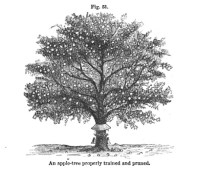
Trained&PrunedAppleTree

Cider: Aaron Burr Cidery BOURBON BARREL CIDER Sparkling

Maker: Aaron Burr Cidery

Origin: Wurtsboro, New York

website: www.aaronburrcider.com

ABV: 7.6 % Bottle: 500 ml, mushroom cork, wire cage.

Style Notes: Sparkling cider. Aged 2 years. Home-tapped and boiled maple sap.

Fruit: Apple. Orange County, New York Apples: Spy, Idared, and Empire.

Cider Maker: Andy Brennan has some interesting thoughts on the American cider revival. See Cider 101:

“Unbeknownst to Americans born in the 20th century, cider is a world-class low-alcohol drink which expresses the character of the land. It also allows for stylistic variation from farmer to farmer. Some cider-makers strive toward refinement and complexity, cultivating for flavor nuances (i.e. tannin and sharpness), while others produce a rough and earthy drink popular in taverns. Think of them as culinary folk artists.”

Makers Notes: Dry and light bodied. Full M/L conversion: buttery with imparted smoke and vanilla from barrel. Drinks like a French-style white when still, less dry and w/ faint maple exhale when carbonated.

Our Tasting Notes: Aaron Burr Bourbon Barrel Cider: Reviews composed over (3) separate tastings.

In The Glass: First Impressions: Beautiful vintage inspired bottle and lovely graphic design with handmade letter-pressed labels. Almost as much fun to pour as to drink.

On First Pour: Prolific miniscule bead. Active, lively, spry bubbles create a pétillant fog in the glass.

Color & Clarity: White gold. Lightly opaque as a result of the exuberant effervescence.

Aroma: Delicate aromas of apple flesh, clean oak and vanilla. Hints of spice, black pepper and citrus.

Taste: Apple custard, cream, oak, vanilla, bourbon, and whiskey, followed by flavors of baked apple, and ‘sous bois’ orchard aromas. Warming medium-long finish, expressing subtle hints of spice, quinine, sulphur, resin, dried apricot and orange peel.

5 Tastes Scale: From 0 Low – 9 High:

Aaron Burr Cidery BOURBON BARREL CIDER scores: Bitter 4, Sour 3, Salty 3, Sweet 0, Umami not noted.

The Tasting Lab: We enjoyed Aaron Burr Bourbon Barrel Cider at The Queens Kickshaw, one of our favorite spots for imbibing, alongside a few of their menu items that practically begged to be paired with cider.

The spiciness of the blue mold in the Great Hill Blue grilled cheese sandwich (with prune jam and fresh pear salsa), comes alive when mingled with the varied whiskey flavors present in the cider.

Bread pudding with caramel sauce was caramel-apple whiskey perfection. A whipped cream smothered warm apple cobbler accentuated the ciders pure apple flavors, revealing tannins, and creating an explosion of flavor.

Cheesemonger’s Notes: Pair this cider with aged cheeses: Goudas, Cabot Clothbound Cheddar, Catamount Hills, or Sartori Gold.

Overall Impressions: A unique example of the beneficial effects of barrel aging on cider. An extremely refined, lean, sophisticated cider, Aaron Burr Bourbon Barrel Cider pairs exceptionally well with sweets, complex cheeses, and has enough depth and substance to be enjoyed simply, by itself. The finesse and quality of Aaron Burr Bourbon Barrel Cider signals this is a cider maker to watch.

Makers Cider Stats:

Bourbon Barrel Cider (2010-2011) 31 cases made  

Specs: Dry and light bodied.  Full M/L conversion: buttery with imparted smoke and vanilla from barrel.

Source: Orange County (NY) Spy, Idared, Empire apples, home-tapped and boiled maple sap.

If you have tasting notes to add please leave a comment.
Aymak Djangaliev and Les Origines de la Pomme: A film by Catherine Peix

Les Origines de la Pomme

Documentary Film. In French.

Directed by: Catherine Peix   Written by: Catherine Peix

Produced by: Seppia, Kri-Kor Films   Website: Seppia   From the website:

“The film takes us into the mountains of Tian Shan in Kazakhstan where the first apple trees were born, 165 million years ago. Called Malus sieversii, they grow in thick forests of trees, all different from each other, some of them being three hundred years old and sometimes more than thirty meters high. Edible and delicious, in its shapes and colours, the wild apple Malus sieversii has this special characteristic of being naturally resistant to the traditional pathogens of the domestic apple, including apple scab.

Through a scientific and historical investigation, the film chronicles the life of a Kazakh scholar, Aymak Djangaliev, who devoted himself to studying and protecting this unique world heritage. It also highlights the contemporary issues brought up by the discovery of the apple of origins. Malus sieversii offers the possibility of a new fruit tree growing, requiring no pesticides: it represents a biodiversity which is essential to protect for the future generations.”

Gleanings: Tian Shan: The Fatherland of Apples + Sweet Pilgrimage

POM00007358

Two informative articles about the wild apples of Tian Shan: The story of ancestral apples –Malus sieversii – and the great diversity occurring in the regions of Almaty, Kazakhstan, considered to be the birthplace of the apple.

Sweet Pilgrimage: Two British Apple Growers in the Tian Shan

by John Selborne

“Central Asia’s wild fruit forests are not only home to the ancestor of all domestic apples, but also hold the key to the future of apple breeding worldwide”

Published in Steppe, Issue 9, 2011. Available online.

The Fatherland of Apples

The origins of a favorite fruit and the race to save its native habitat.

By Gary Paul Nabhan

Published in the May/June 2008 issue of Orion magazine and available online.

“THE FRAGRANCE of the forest is unlike any I have ever known. The smell of ripening and rotting apples and pears fills my nostrils. At my feet, russet reds, blushing pinks, vibrant roses, and creamy yellows mottle the ground, where wildlife has half-consumed the wild fruit that makes this Kazakh forest so bountiful.”

Gary Paul Nabhan’s essay in Orion magazine is adapted from his book, Where Our Food Comes From, by Island Press, 2008

Malus: Wild Apples of the Caucasus

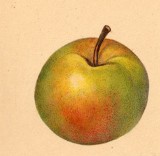
Wild Apples of the Caucasus  pomological watercolor illustrations from The National Agricultural Library.

Image source: U.S. Department of Agriculture Pomological Watercolor Collection. Rare and Special Collections, National Agricultural Library, Beltsville, MD 20705

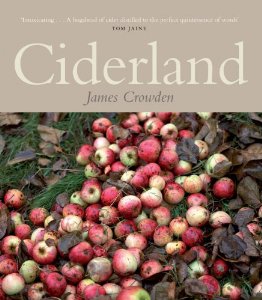
What We’re Reading: CIDERLAND by James Crowden

CIDERLAND by James Crowden

Meet the West County’s cider makers in this informative read. A great introduction to the world of South West England’s traditional West County cider culture, with numerous in-depth profiles of the regions cider makers.

www.james-crowden.co.uk

www.birlinn.co.uk

“Ciderland includes comprehensive summaries and descriptions of every cider and cider producer in the West Country and covers topics such as cider folk traditions and remedies, placing cider making firmly within the local culture. Photographs by Claire Lloyd Davies.”

51ypIDbKEjL._SY300_

Cider Review: Val d’Ornón Sidra de Asturias Natural: Cider52

Carrio servicios_1242951376_450

Cider: Val d’Ornón Sidra de Asturias Natural

Maker: Sidra Menéndez

Origin: Asturias, Spain

website: www.sidramenendez.es

ABV: 6%  Bottle: 700 ml, with cork

Makers Style Notes: Product certified by the Council of the “PDO Sidra de Asturias”. Hand picked apples. Fermented using indigenous yeasts. Fermentation in chestnut wood barrels. Tasting Notes: Straw yellow, clean and fruity scent reminiscent of the origin of the fruit.

Fruit: Apple.

Makers Fruit Notes: Selection of some of the 22 varieties permitted by the Regulatory Council, including Raxao, Regona, Perico, Carrio, seeking a balance between those that are acidic, bitter and sweet.

Our Tasting Notes: May 10, 2013.

In The Glass: Cloudy, unfiltered, straw. Tiny bubbles visible only on the surface.

Aroma & Taste: Flavors: From 0 Low – 9 High:  Val d’Ornón Sidra scores: Sour Butter 7-8, Leather/Tanned Hides 6, Hay 5, Latent Acidity 4, Fresh/Raw Dessert Apple 3.

5 Tastes Scale: From 0 Low – 9 High: Val d’Ornón Sidra scores: Salty 5-6,  Bitter 4.5, Sour 3, Sweet 2, Umami 1.

Our Pairings – The Tasting Lab: Classic match with fiery chorizo and garlicy bitter greens, followed by sweet creamy blue & salty pressed rind cheeses, charred toasts and raw Granny Smith apple slices. Val d’Ornón Sidra is right at home with this simple, rustic country fare.

Overall Impressions: Funk forward with blossoming apple flavors. Old World style with balanced astringency and acid. Another cider that got us thinking about the similarities and differences between Spain’s Asturian sidras and the UK’s 3 Counties ciders, pondering the presence, quality, and unique expression of acidity in these two traditional regional cider styles.

To explore further: Why traditional Asturian sidras do not explore or develop the ‘sweet’ aspect of the pome fruit, instead embracing acidity without the tannic/bitter balance found in traditional UK ciders. Is this solely a result of the properties of Asturian cider apples? Or something else? Perhaps a Spanish chef, cidermaker, or Asturian/Basque food culture historian can provide insight.

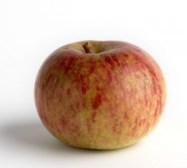
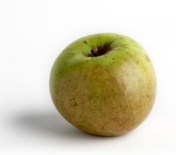
Apple images from www.sidradeasturias.es  Apples shown: Carrio (top) Perico (below)

Sidra Menéndez Val d’Ornón Sidra de Asturias Natural video:

Perico servicios_1242951270_450


Apple Sauced Cider’s Backyard Cider To Benefit Slow Food Russian River Apple Core Project

APPLE SAUCED LOGO

Date: March 19, 2013
FOR IMMEDIATE RELEASE

Sebastopol Cider Makers Rescue Backyard Apples for Charity

Sebastopol, CA (March 19, 2013) – Apple Sauced Cider™, a Sebastopol-grown cidery, is seeking local residents to donate apples from their backyard for a community cider blend called “Backyard” cider. Apple Sauced Cider will donate 100% of the profits from this batch of cider to Slow Food Russian River and its Apple Core project, which is responsible for raising awareness of and preserving the county’s apple heritage through marketing the region.

About “Backyard” Cider

As members of Slow Food Russian River and apple growers themselves, Hunter and Jolie Wade of Sebastopol’s Apple Sauced Cider aim to engage community members and give back by producing a “backyard” cider, a true expression of Sebastopol’s unique flavors. The cidery is looking for Sebastopol residents’ backyard apples to be donated and blended into a community cider. In the middle of August, the cidery invites all those who can donate to drop off early-season apple varieties, including gravensteins and others, into large bins at Devoto Gardens and Orchards in Sebastopol (Date TBA). The apples will be washed, pressed, fermented, and bottled by Apple Sauced Cider™ . The cidery will then donate 100% of the profits from this batch.

Continue reading

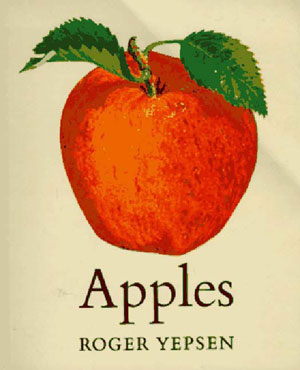
What We’re Reading: Apples by Roger Yepsen

9780393036909_300

An extremely informative and charming small format book of deft watercolor illustrations and profiles of 90 apple varieties, Roger Yepsen’s Apples includes a concise overview of apple and cider history, recipes, Apple Argot, and simple how to make your own cider instructions.

See Inside the Book for a preview.

www.rogeryepsen.com

books.wwnorton.com 

Details: Hardcover, September 1994, ISBN 978-0-393-03690-9, 5.4 × 6.4 in / 255 pages

Cheesemonger’s Challenge. A Cider and Cheese Pairing: Tilted Shed Ciderworks GRAVIVA! Cider

Cheesemonger’s Challenge:

Cider and Cheese Pairing with Tilted Shed Ciderworks 2012 GRAVIVA! Semidry Cider

Conceived by our resident Cheesemonger. Originally posted on: Consider The Rind

Graviva! label5-13X

Our pen pals at Tilted Shed Ciderworks have just released the 2012 vintage of GRAVIVA! their semidry cider featuring the Gravenstein, an endangered heirloom apple. We have yet to encounter any Tilted Shed ciders here on the East Coast but here at UnitedStatesofCider they have been present in many of our cider daydreams. When we drink cider we usually enjoy it with our other favorite obsession-  cheese. So for the launch of this new batch of GRAVIVA! I dreamed up a few supporting players for this fantasy cider session.

Since I have not (yet) tried GRAVIVA! I am basing the pairings on Tilted Shed Ciderworks own tasting notes:

The Gravenstein sparkles in this bright, crisp cider. The refreshing acidity is balanced with a touch of sweetness. We sourced the Gravs and other heirloom cider apples for this blend from organic growers in the Sebastopol area. The Grav lends its lovely aromatics, while a mix of “bittersweet” apples—which were specially developed over the centuries for fermented cider—imparts lively tannins. This is Sonoma County heritage in a bottle. Viva la Grav!

Great as an apéritif or celebratory bubbly, or pair with aged cheeses, spicy foods, and a hammock. Silver medal winner at the 2013 Great Lakes International Cider and Perry Competition.

grav

Some clues about the cider I pulled from this description:

  • “Bubbly” and “sparkles” = some type of carbonation or fizziness in the mouth
  • acidity
  • touch of sweetness
  • lively tannins

A brief ponderance on these qualities lead me to the following selections:

Cowgirl Creamery MT. TAM (from nearby Marin County, CA)
Bloomy rind, Triple Crème, Cow’s Milk
Tasting notes: Fresh Butter, whispers of Mushroom, Salt
Why this pairing?

  • Smooth and buttery. Triple crèmes must have at least 75% butterfat to be called such. It is achieved through the addition of cream or crème fraiche to the fresh curds. A decadent contrast to the often restrained qualities of cider.
  • Carbonation and Acidity from the cider will cut through the richness serving as a light and airy counterpoint to the dense and unctuous cheese.
  • The cheese is mild and fairly neutral, providing a creamy backdrop to show off the flavors in the cider. Apple or other fruit flavors when mingled with the cream flavors are likely to create the taste and mouthfeel of a fruit custard or cream pie.

The way I approach pairing is through the comparison of what I call Sameness or Differentness in the possible mates. I think about some traits of the focus item (in this case GRAVIVA! Cider), then scan through my taste memories in search of things that either share these traits or are very different. This particular pairing is an example of Differentness. In the case of Graviva! and Mt. Tam the cheese and cider have aspects (texture and flavor) that are opposite. Combining them brings more variety and enjoyment to the overall tasting experience. Opposites really do attract! Well sometimes. Too much differentness can produce negative results. One characteristic may overpower and obliterate the others or there might just be too many clashing flavors. It’s tricky; you’re looking for that perfect mixed doubles player who is going to complement your game, not a sparring partner to knock around.  Mt. Tam is a straightforward (albeit superb) little cloud that should showcase the cider without sacrificing any of its own flavors.

Laura Chenel CHABIS (Sonoma County, CA) 
Fresh, Goats Milk
Tasting notes: Sweet Cream, Lemon
Why this pairing?

  • The textures of fresh goat’s milk cheeses are chalky, flaky and light.  The light and lively characteristics of both the cheese and cider should keep either from overpowering the other. Acidity in the cider and the tangy lemony flavors in cheese are evenly matched. This is an example of Sameness. There is no struggle between the two.
  • The effects of acidity may even get a lift from the combination, intensifying the trait in the cider without destroying the cheese.
  • Sonoma County terroir. French production methods. (Note: not all herds are in Sonoma County, some are across the border in Nevada.)

Another aspect in which Graviva! and Chabis share sameness, is in their origins. This is a tried and true pairing technique used for all sorts of foodstuffs and drinkstuffs everywhere. The influences of the soil and atmosphere somehow create an understanding among things even though they may express the effects differently. Things that grow together rarely brawl. The use of Old World methods in the New World is another parallel that appealed to me for this match up. Laura Chenel was a pioneer of chévre bringing the wonderful French tradition of goats’ milk cheeses to the USA in the 1970s. The beet and goat cheese salad craze we appreciate today may not have happened without her. Tilted Shed is utilizing traditional European cider making methods to preserve apples and a piece of American heritage a la the cider revival. Food can be very philosophical. Thought provoking pairings should not be underestimated as they may add another layer of satisfaction to the already enjoyable experience of consuming two virtuous cohorts such as cider and cheese.

Uplands PLEASANT RIDGE RESERVE (Wisconsin)
Firm, Aged, Raw Cow’s Milk
Tasting notes: Nutty, Grassy, with a hint of Sweetness
Why this pairing?

  • Both the dry, slightly crumbly cheese and the effervescent cider are on the light side, nothing heavy or dense in either.
  • The nut and vegetal tones in the cheese may tame the acid and tannins in the cider and bring out some fruit notes. Just a hunch.

This pairing has both sameness and differentnessSameness in the textures.  Differentness in flavors. More complex than the other two cheese selections, Pleasant Ridge Reserve (especially the Extra-Aged editions) is fairly savory, and not at all tart. There is some sameness in flavor however with a “touch” or “hint” of sweetness described for both the cider and the cheese.  I am hoping this flavor echo is the thread that stitches it all into one very jolly amalgam.

If you are lucky enough to have Graviva! and any of these cheeses available to you I would love to hear your comments on the actual results of these pairings. Is it a cheese and cider dream come true? Nightmare? Somewhere in between? Only tasting will tell. Please share your experience.

(You can read more Adventures in Cheese at Consider The Rind and follow cheese related content @ConsiderTheRind on twitter)