


According to the experts at the 1911 Encyclopedia Britannica
As a rule the best cider apples are of small size. “Petites pommes, gros cidre,” say the French.

Documentary Film. In French.
Directed by: Catherine Peix Written by: Catherine Peix
Produced by: Seppia, Kri-Kor Films Website: Seppia From the website:
“The film takes us into the mountains of Tian Shan in Kazakhstan where the first apple trees were born, 165 million years ago. Called Malus sieversii, they grow in thick forests of trees, all different from each other, some of them being three hundred years old and sometimes more than thirty meters high. Edible and delicious, in its shapes and colours, the wild apple Malus sieversii has this special characteristic of being naturally resistant to the traditional pathogens of the domestic apple, including apple scab.
Through a scientific and historical investigation, the film chronicles the life of a Kazakh scholar, Aymak Djangaliev, who devoted himself to studying and protecting this unique world heritage. It also highlights the contemporary issues brought up by the discovery of the apple of origins. Malus sieversii offers the possibility of a new fruit tree growing, requiring no pesticides: it represents a biodiversity which is essential to protect for the future generations.”
Two informative articles about the wild apples of Tian Shan: The story of ancestral apples –Malus sieversii – and the great diversity occurring in the regions of Almaty, Kazakhstan, considered to be the birthplace of the apple.
Sweet Pilgrimage: Two British Apple Growers in the Tian Shan
by John Selborne
“Central Asia’s wild fruit forests are not only home to the ancestor of all domestic apples, but also hold the key to the future of apple breeding worldwide”
The origins of a favorite fruit and the race to save its native habitat.
By Gary Paul Nabhan
Published in the May/June 2008 issue of Orion magazine and available online.
“THE FRAGRANCE of the forest is unlike any I have ever known. The smell of ripening and rotting apples and pears fills my nostrils. At my feet, russet reds, blushing pinks, vibrant roses, and creamy yellows mottle the ground, where wildlife has half-consumed the wild fruit that makes this Kazakh forest so bountiful.”
Gary Paul Nabhan’s essay in Orion magazine is adapted from his book, Where Our Food Comes From, by Island Press, 2008
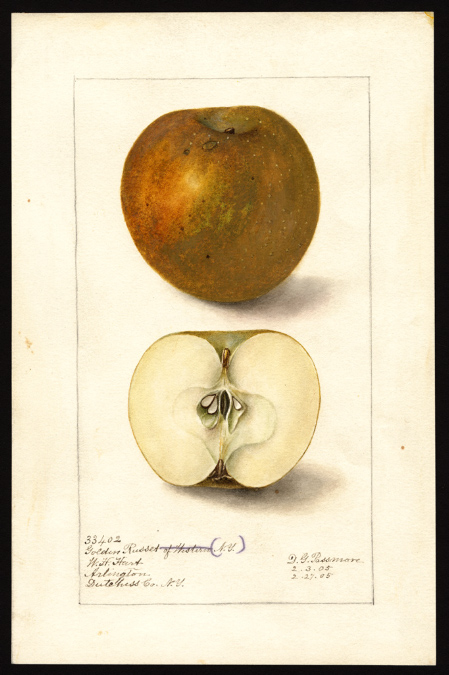
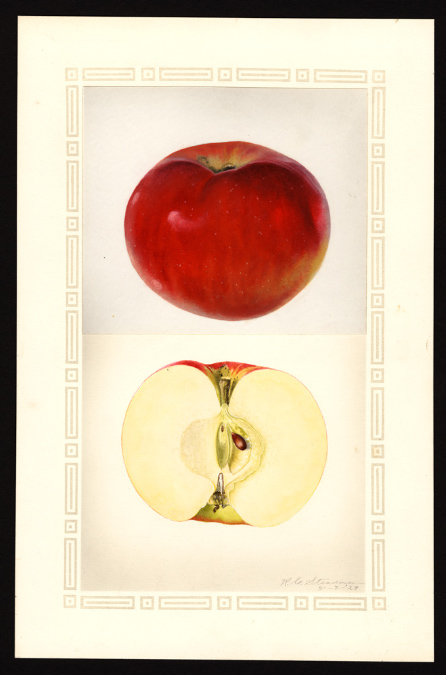
Wild Apples of the Caucasus pomological watercolor illustrations from The National Agricultural Library.


Image source: U.S. Department of Agriculture Pomological Watercolor Collection. Rare and Special Collections, National Agricultural Library, Beltsville, MD 20705
Date: March 19, 2013
FOR IMMEDIATE RELEASE
Sebastopol Cider Makers Rescue Backyard Apples for Charity
Sebastopol, CA (March 19, 2013) – Apple Sauced Cider™, a Sebastopol-grown cidery, is seeking local residents to donate apples from their backyard for a community cider blend called “Backyard” cider. Apple Sauced Cider will donate 100% of the profits from this batch of cider to Slow Food Russian River and its Apple Core project, which is responsible for raising awareness of and preserving the county’s apple heritage through marketing the region.
About “Backyard” Cider
As members of Slow Food Russian River and apple growers themselves, Hunter and Jolie Wade of Sebastopol’s Apple Sauced Cider aim to engage community members and give back by producing a “backyard” cider, a true expression of Sebastopol’s unique flavors. The cidery is looking for Sebastopol residents’ backyard apples to be donated and blended into a community cider. In the middle of August, the cidery invites all those who can donate to drop off early-season apple varieties, including gravensteins and others, into large bins at Devoto Gardens and Orchards in Sebastopol (Date TBA). The apples will be washed, pressed, fermented, and bottled by Apple Sauced Cider™ . The cidery will then donate 100% of the profits from this batch.
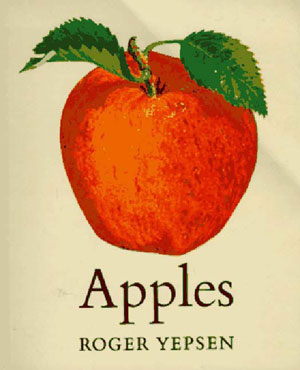
An extremely informative and charming small format book of deft watercolor illustrations and profiles of 90 apple varieties, Roger Yepsen’s Apples includes a concise overview of apple and cider history, recipes, Apple Argot, and simple how to make your own cider instructions.
See Inside the Book for a preview.
Details: Hardcover, September 1994, ISBN 978-0-393-03690-9, 5.4 × 6.4 in / 255 pages
22 May is International Day for Biological Diversity.
This Year’s Theme Is: Water & Biological Diversity.
We Celebrate Heritage Apples.
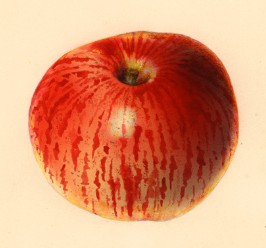
And continue our Pomme Fruit of the Month focus on The Gravenstein.
Resources:
Slow Food USA: Ark of Taste: Sebastopol Gravenstein Apple
Slow Food USA: Sebastopol Gravenstein Apple Presidium
Slow Food Canada: Ark of Taste: Nova Scotia Gravenstein Apple
(Pomme Gravenstein de la Nouvelle Écosse)
 UnitedStatesofCider