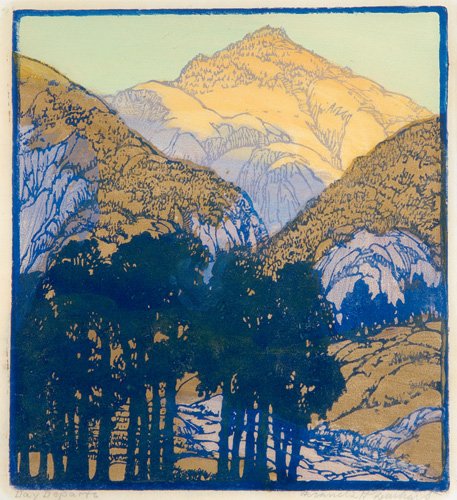
Cider. A Review In Pictures. Tilted Shed Ciderworks Lost Orchard Dry Cider.
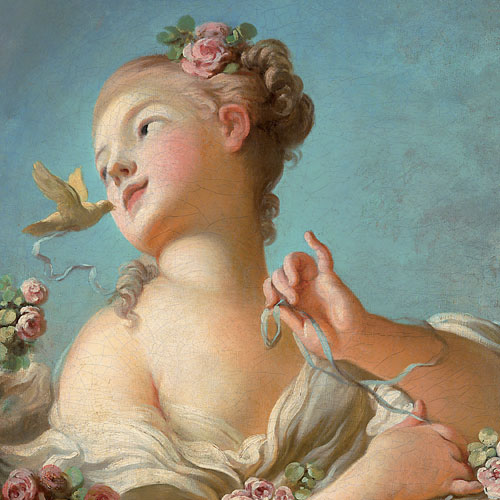
Cider. A Review in Pictures.
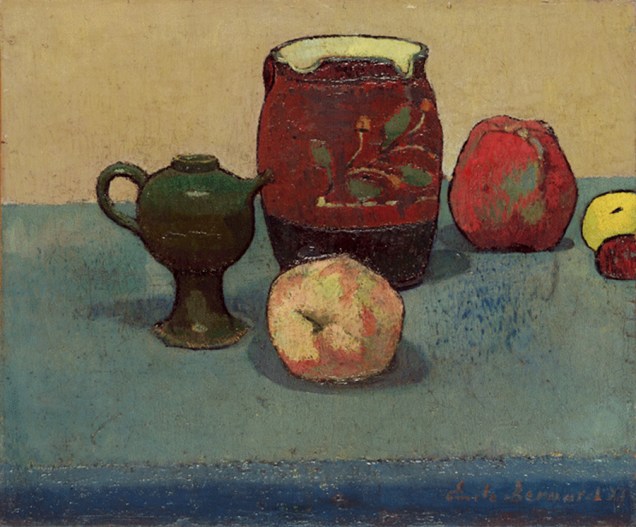
Imagining cider as a work of art.
No written commentary needed.


Where & When:
Fort Ross State Historic Park
19005 Coast Hwy
Jenner, CA 95450
Saturday, April 12, 2014 from 10:00 AM to 3:30 PM (PDT)
Event Details:
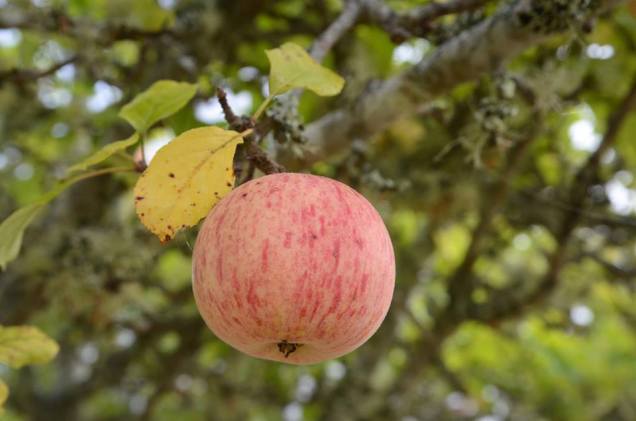
In 1814, the Russians at Fort Ross began their orchard by planting a peach tree. They and the ranchers who followed planted trees and harvested fruit from the site for over 150 years, and a number of historic trees still survive today.
In celebration of the historic Fort Ross orchard’s 200th anniversary, Fort Ross Conservancy is hosting a conference on orchards and orchard management. Lectures by experts from the National Park Service and California State Parks will discuss the history of orchards, historic orchard care, and tree preservation. A tour of the Fort Ross orchard will follow, with an opportunity to discuss recent management at the site.
The Fort Ross orchard was planted by the Russians in 1814 and several trees from the mid 1800s are still living, including two Russian-era cherry trees. This conference celebrates the 200th anniversary of the historic orchards at Fort Ross. Conference speakers include:
Schedule for the Day
Special event fees apply:
$10 per person for conference and historic orchard tour.
*plus* California State Parks entrance fee of $8 per car when parking at Fort Ross. (Please carpool!)
Optional boxed lunch delivered to the orchard: $15/ person, advanced purchase only.
Or you are welcome to bring your own picnic lunch!

For more information on the Fort Ross historic orchard visit the Orchard webpage.
Link: www.fortross.org
Tickets & event details available at:
https://www.eventbrite.com/e/celebrating-200-years-of-the-historic-fort–ross-orchard-tickets-10786062403
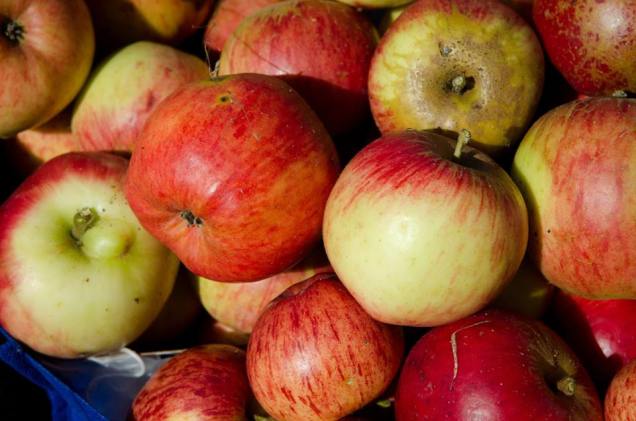
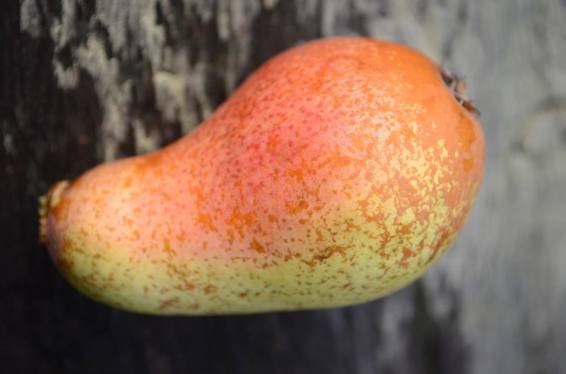
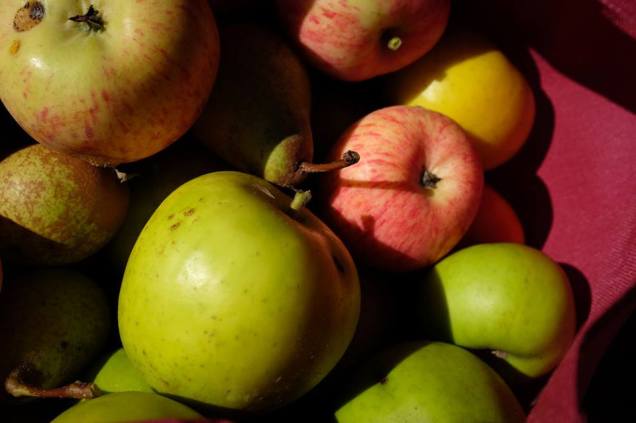
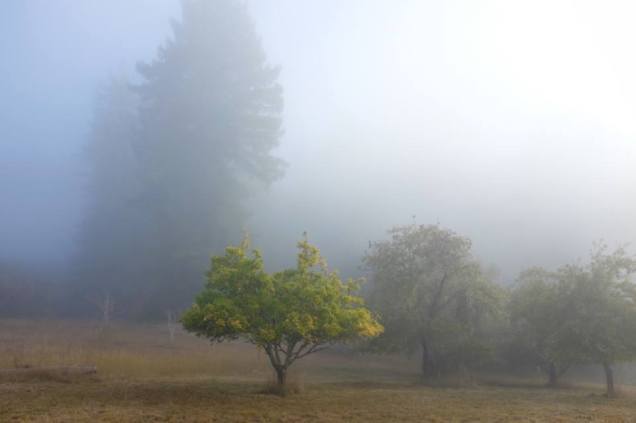
All photos by Paul C. Miller, courtesy of Fort Ross Conservancy
Map courtesy of Fort Ross Conservancy
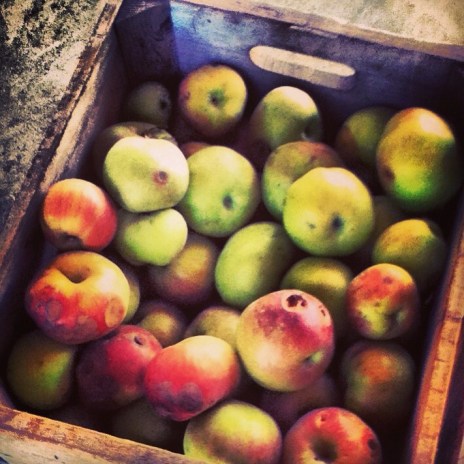
“Why do we need so many kinds of apples?
Because there are so many folks. A person has a right to gratify his legitimate tastes. If he wants twenty or forty kinds of apples for his personal use, running from Early Harvest to Roxbury Russet, he should be accorded the privilege. Some place should be provided where he may obtain trees or scions. There is merit in variety itself. It provides more points of contact with life, and leads away from uniformity and monotony.”
–Liberty Hyde Bailey, The Apple Tree, p. 68
(New York: Macmillan, 1922)
Celebrating America’s Unique Apple Diversity: Selected Literature
Special Reference Briefs Series
No. SRB 2010-02
Compiled by:
Rebecca Mazur and Katie Winkleblack
National Agricultural Library
Agricultural Research Service
U.S. Department of Agriculture
10301 Baltimore Avenue
Beltsville, MD 20705
agref@nal.usda.gov
http://www.nal.usda.gov
September 2010
Updated September 2011
“This bibliography is a selected compilation from the rich pool of information resources at the National Agricultural Library about heirloom apples. It consists of a list of books and reports at the Library dating prior to 1928, with the addition of later books which focus on the subject of varieties of apples grown in the American past. It is organized into sections first by date and then in order of the author’s last name.”
From Our Boston Outpost:
Some time ago our intrepid Bean Town Cider Correspondent led a cider tasting somewhere in wilds of greater Boston, Massachusetts, USA.
Tasters were a diverse batch – ranging in age from just-legal whippersnappers, to seasoned imbibers. Of the assembled tasters a select few were cider-philes, most had only a glancing familiarity with our favorite pome fruit beverage, and some were completely cider-unaware, having no idea what to expect from a fermented apple elixir.
Ciders were selected based on local availability.
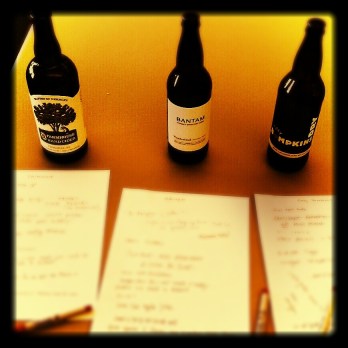
The Cider Contenders:
Bantam WUNDERKIND of Massachusetts
Fatty Bampkins DRY hailing from Maine
Vermont Cider Co. FARMHOUSE No. 91
The 3 ciders were presented, glasses filled and the tasters let loose.
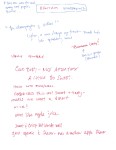
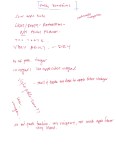
Our correspondent placed paper and pen by each cider bottle, and the testers jotted anonymous notes as they tasted.
Real people drinking actual ciders. Here is what they had to say:
Bantam WUNDERKIND Tasting Comments:
“The champagne of ciders!”
“Light, a wee sharp upfront, (illegible), like sparkling wine.”
“Likey!”
“Very sweet”
“Good body, nice aftertaste. A little too sweet.”
“Good with Food/Meal.”
“Sweet & tasty, makes me want a donut.”
“NICE!”
“More like apple juice. Sweet & crisp but blends well.”
“Good sparkle & flavor. Has mellow apple flavor.”
Fatty Bampkins DRY Tasting Comments:
“faint apple taste”
“Light/Fresh, Refreshing – Not Much Flavor”
“Very Adult. – DRY.”
“Too TARTE”
“slight pickle scent??”
“No me gusta tambien. Very vinegary, not much apple flavor”
Vermont Cider Co. FARMHOUSE No. 91 Tasting Comments:
“sweet apple taste (heart).”
“Like soda-pop. Tastes like apples. (On purpose?)”
“delicious. very sweet. would prefer it to be a little more bubbly!”
“Flat but could be tasty otherwise.”
“Perfect for tweens.”
“Lacks effervescence, a bit sweet, but could be good in a cocktail!”
“Not enough effervescence for me, but the flavor is smooth.”
“Did I just drink alcohol? Pretty sure it was juice.”
The Consensus: Local craft cider Bantam WUNDERKIN is hands down favorite at this informal Boston cider tasting.
The Take Away:
1. We believe there is a cider for everyone.
2. How to find YOUR ciders? Taste Testing. Extensive Taste Testing.
3. Cider Tasting is More Fun in Groups. Cider knowledge shared while tasting is enjoyable, and informal, casual tastings brings out the best in most ciders, and certainly results in some interesting comments.
4. If you like cider and want to share the cider joy, an informal tasting like this is a good way to introduce your cider-curious friends to the wonderful world of cider.
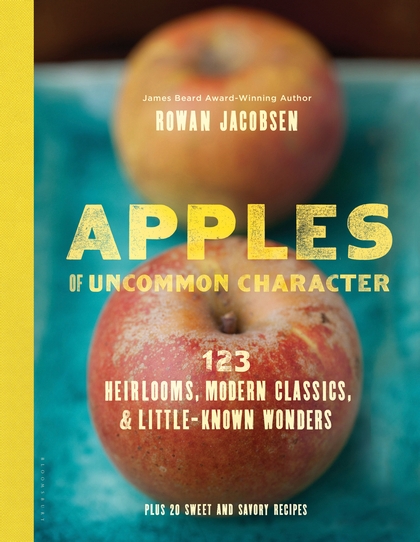
Rowan Jacobsen
Apples of Uncommon Character
123 Heirlooms, Modern Classics, & Little-Known Wonders
(Plus 20 Sweet and Savory Recipes)
Bloomsbury, September 2014
Rowan Jacobsen: www.rowanjacobsen.com and @rowanjacobsen
Bloomsbury: www.bloomsbury.com
Photographer Clare Barboza (clarebarboza.com) shares a “visual sneak peek” from Uncommon Apples in her blog post a whole lotta apples.
 UnitedStatesofCider