Cider Review: Aaron Burr BOURBON BARREL CIDER: Cider52

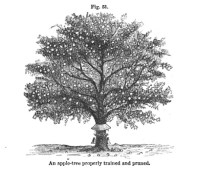
Trained&PrunedAppleTree

Cider: Aaron Burr Cidery BOURBON BARREL CIDER Sparkling

Maker: Aaron Burr Cidery

Origin: Wurtsboro, New York

website: www.aaronburrcider.com

ABV: 7.6 % Bottle: 500 ml, mushroom cork, wire cage.

Style Notes: Sparkling cider. Aged 2 years. Home-tapped and boiled maple sap.

Fruit: Apple. Orange County, New York Apples: Spy, Idared, and Empire.

Cider Maker: Andy Brennan has some interesting thoughts on the American cider revival. See Cider 101:

“Unbeknownst to Americans born in the 20th century, cider is a world-class low-alcohol drink which expresses the character of the land. It also allows for stylistic variation from farmer to farmer. Some cider-makers strive toward refinement and complexity, cultivating for flavor nuances (i.e. tannin and sharpness), while others produce a rough and earthy drink popular in taverns. Think of them as culinary folk artists.”

Makers Notes: Dry and light bodied. Full M/L conversion: buttery with imparted smoke and vanilla from barrel. Drinks like a French-style white when still, less dry and w/ faint maple exhale when carbonated.

Our Tasting Notes: Aaron Burr Bourbon Barrel Cider: Reviews composed over (3) separate tastings.

In The Glass: First Impressions: Beautiful vintage inspired bottle and lovely graphic design with handmade letter-pressed labels. Almost as much fun to pour as to drink.

On First Pour: Prolific miniscule bead. Active, lively, spry bubbles create a pétillant fog in the glass.

Color & Clarity: White gold. Lightly opaque as a result of the exuberant effervescence.

Aroma: Delicate aromas of apple flesh, clean oak and vanilla. Hints of spice, black pepper and citrus.

Taste: Apple custard, cream, oak, vanilla, bourbon, and whiskey, followed by flavors of baked apple, and ‘sous bois’ orchard aromas. Warming medium-long finish, expressing subtle hints of spice, quinine, sulphur, resin, dried apricot and orange peel.

5 Tastes Scale: From 0 Low – 9 High:

Aaron Burr Cidery BOURBON BARREL CIDER scores: Bitter 4, Sour 3, Salty 3, Sweet 0, Umami not noted.

The Tasting Lab: We enjoyed Aaron Burr Bourbon Barrel Cider at The Queens Kickshaw, one of our favorite spots for imbibing, alongside a few of their menu items that practically begged to be paired with cider.

The spiciness of the blue mold in the Great Hill Blue grilled cheese sandwich (with prune jam and fresh pear salsa), comes alive when mingled with the varied whiskey flavors present in the cider.

Bread pudding with caramel sauce was caramel-apple whiskey perfection. A whipped cream smothered warm apple cobbler accentuated the ciders pure apple flavors, revealing tannins, and creating an explosion of flavor.

Cheesemonger’s Notes: Pair this cider with aged cheeses: Goudas, Cabot Clothbound Cheddar, Catamount Hills, or Sartori Gold.

Overall Impressions: A unique example of the beneficial effects of barrel aging on cider. An extremely refined, lean, sophisticated cider, Aaron Burr Bourbon Barrel Cider pairs exceptionally well with sweets, complex cheeses, and has enough depth and substance to be enjoyed simply, by itself. The finesse and quality of Aaron Burr Bourbon Barrel Cider signals this is a cider maker to watch.

Makers Cider Stats:

Bourbon Barrel Cider (2010-2011) 31 cases made  

Specs: Dry and light bodied.  Full M/L conversion: buttery with imparted smoke and vanilla from barrel.

Source: Orange County (NY) Spy, Idared, Empire apples, home-tapped and boiled maple sap.

If you have tasting notes to add please leave a comment.
Aymak Djangaliev and Les Origines de la Pomme: A film by Catherine Peix

Les Origines de la Pomme

Documentary Film. In French.

Directed by: Catherine Peix   Written by: Catherine Peix

Produced by: Seppia, Kri-Kor Films   Website: Seppia   From the website:

“The film takes us into the mountains of Tian Shan in Kazakhstan where the first apple trees were born, 165 million years ago. Called Malus sieversii, they grow in thick forests of trees, all different from each other, some of them being three hundred years old and sometimes more than thirty meters high. Edible and delicious, in its shapes and colours, the wild apple Malus sieversii has this special characteristic of being naturally resistant to the traditional pathogens of the domestic apple, including apple scab.

Through a scientific and historical investigation, the film chronicles the life of a Kazakh scholar, Aymak Djangaliev, who devoted himself to studying and protecting this unique world heritage. It also highlights the contemporary issues brought up by the discovery of the apple of origins. Malus sieversii offers the possibility of a new fruit tree growing, requiring no pesticides: it represents a biodiversity which is essential to protect for the future generations.”

Gleanings: Tian Shan: The Fatherland of Apples + Sweet Pilgrimage

POM00007358

Two informative articles about the wild apples of Tian Shan: The story of ancestral apples –Malus sieversii – and the great diversity occurring in the regions of Almaty, Kazakhstan, considered to be the birthplace of the apple.

Sweet Pilgrimage: Two British Apple Growers in the Tian Shan

by John Selborne

“Central Asia’s wild fruit forests are not only home to the ancestor of all domestic apples, but also hold the key to the future of apple breeding worldwide”

Published in Steppe, Issue 9, 2011. Available online.

The Fatherland of Apples

The origins of a favorite fruit and the race to save its native habitat.

By Gary Paul Nabhan

Published in the May/June 2008 issue of Orion magazine and available online.

“THE FRAGRANCE of the forest is unlike any I have ever known. The smell of ripening and rotting apples and pears fills my nostrils. At my feet, russet reds, blushing pinks, vibrant roses, and creamy yellows mottle the ground, where wildlife has half-consumed the wild fruit that makes this Kazakh forest so bountiful.”

Gary Paul Nabhan’s essay in Orion magazine is adapted from his book, Where Our Food Comes From, by Island Press, 2008

Malus: Wild Apples of the Caucasus

Wild Apples of the Caucasus  pomological watercolor illustrations from The National Agricultural Library.

Image source: U.S. Department of Agriculture Pomological Watercolor Collection. Rare and Special Collections, National Agricultural Library, Beltsville, MD 20705

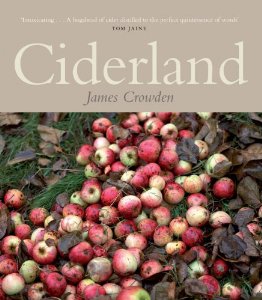
What We’re Reading: CIDERLAND by James Crowden

CIDERLAND by James Crowden

Meet the West County’s cider makers in this informative read. A great introduction to the world of South West England’s traditional West County cider culture, with numerous in-depth profiles of the regions cider makers.

www.james-crowden.co.uk

www.birlinn.co.uk

“Ciderland includes comprehensive summaries and descriptions of every cider and cider producer in the West Country and covers topics such as cider folk traditions and remedies, placing cider making firmly within the local culture. Photographs by Claire Lloyd Davies.”

51ypIDbKEjL._SY300_

Cider Review: Val d’Ornón Sidra de Asturias Natural: Cider52

Carrio servicios_1242951376_450

Cider: Val d’Ornón Sidra de Asturias Natural

Maker: Sidra Menéndez

Origin: Asturias, Spain

website: www.sidramenendez.es

ABV: 6%  Bottle: 700 ml, with cork

Makers Style Notes: Product certified by the Council of the “PDO Sidra de Asturias”. Hand picked apples. Fermented using indigenous yeasts. Fermentation in chestnut wood barrels. Tasting Notes: Straw yellow, clean and fruity scent reminiscent of the origin of the fruit.

Fruit: Apple.

Makers Fruit Notes: Selection of some of the 22 varieties permitted by the Regulatory Council, including Raxao, Regona, Perico, Carrio, seeking a balance between those that are acidic, bitter and sweet.

Our Tasting Notes: May 10, 2013.

In The Glass: Cloudy, unfiltered, straw. Tiny bubbles visible only on the surface.

Aroma & Taste: Flavors: From 0 Low – 9 High:  Val d’Ornón Sidra scores: Sour Butter 7-8, Leather/Tanned Hides 6, Hay 5, Latent Acidity 4, Fresh/Raw Dessert Apple 3.

5 Tastes Scale: From 0 Low – 9 High: Val d’Ornón Sidra scores: Salty 5-6,  Bitter 4.5, Sour 3, Sweet 2, Umami 1.

Our Pairings – The Tasting Lab: Classic match with fiery chorizo and garlicy bitter greens, followed by sweet creamy blue & salty pressed rind cheeses, charred toasts and raw Granny Smith apple slices. Val d’Ornón Sidra is right at home with this simple, rustic country fare.

Overall Impressions: Funk forward with blossoming apple flavors. Old World style with balanced astringency and acid. Another cider that got us thinking about the similarities and differences between Spain’s Asturian sidras and the UK’s 3 Counties ciders, pondering the presence, quality, and unique expression of acidity in these two traditional regional cider styles.

To explore further: Why traditional Asturian sidras do not explore or develop the ‘sweet’ aspect of the pome fruit, instead embracing acidity without the tannic/bitter balance found in traditional UK ciders. Is this solely a result of the properties of Asturian cider apples? Or something else? Perhaps a Spanish chef, cidermaker, or Asturian/Basque food culture historian can provide insight.

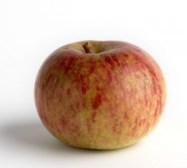
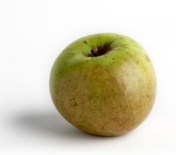
Apple images from www.sidradeasturias.es  Apples shown: Carrio (top) Perico (below)

Sidra Menéndez Val d’Ornón Sidra de Asturias Natural video:

Perico servicios_1242951270_450


Apple Sauced Cider’s Backyard Cider To Benefit Slow Food Russian River Apple Core Project

APPLE SAUCED LOGO

Date: March 19, 2013
FOR IMMEDIATE RELEASE

Sebastopol Cider Makers Rescue Backyard Apples for Charity

Sebastopol, CA (March 19, 2013) – Apple Sauced Cider™, a Sebastopol-grown cidery, is seeking local residents to donate apples from their backyard for a community cider blend called “Backyard” cider. Apple Sauced Cider will donate 100% of the profits from this batch of cider to Slow Food Russian River and its Apple Core project, which is responsible for raising awareness of and preserving the county’s apple heritage through marketing the region.

About “Backyard” Cider

As members of Slow Food Russian River and apple growers themselves, Hunter and Jolie Wade of Sebastopol’s Apple Sauced Cider aim to engage community members and give back by producing a “backyard” cider, a true expression of Sebastopol’s unique flavors. The cidery is looking for Sebastopol residents’ backyard apples to be donated and blended into a community cider. In the middle of August, the cidery invites all those who can donate to drop off early-season apple varieties, including gravensteins and others, into large bins at Devoto Gardens and Orchards in Sebastopol (Date TBA). The apples will be washed, pressed, fermented, and bottled by Apple Sauced Cider™ . The cidery will then donate 100% of the profits from this batch.

Continue reading

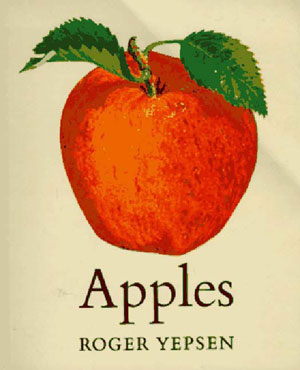
What We’re Reading: Apples by Roger Yepsen

9780393036909_300

An extremely informative and charming small format book of deft watercolor illustrations and profiles of 90 apple varieties, Roger Yepsen’s Apples includes a concise overview of apple and cider history, recipes, Apple Argot, and simple how to make your own cider instructions.

See Inside the Book for a preview.

www.rogeryepsen.com

books.wwnorton.com 

Details: Hardcover, September 1994, ISBN 978-0-393-03690-9, 5.4 × 6.4 in / 255 pages

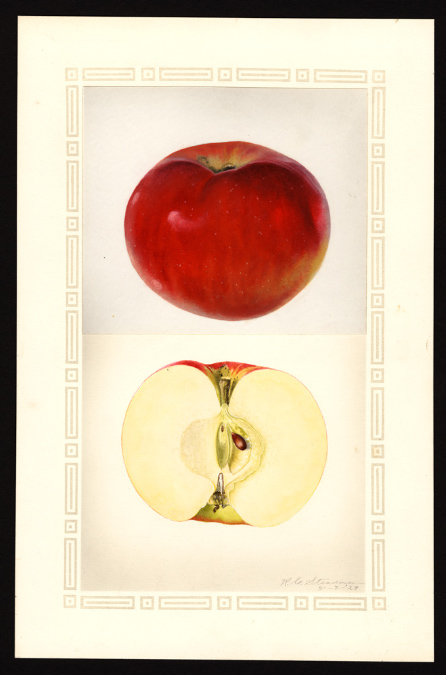
Malus domestica: Red Gravenstein, 1929. Rosslyn, Arlington County, Virginia, United States

POM00003063

Malus domestica: Red Gravenstein

Artist:
Steadman, Royal Charles, b. 1875
Scientific name:
Malus domestica
Common name:
apples
Variety:
Red Gravenstein
Geographic origin:
Rosslyn, Arlington County, Virginia, United States
Physical description:
1 art original : col. ; 17 x 25 cm.
Specimen:
111014
Year:
1929
Notes on original:
Section J, Row 25, Tree 3; Picked 07/23/1929
Date created:
1929-08-07
Rights:
Use of the images in the U.S. Department of Agriculture Pomological Watercolor Collection is not restricted, but a statement of attribution is required. Please use the following attribution statement: “U.S. Department of Agriculture Pomological Watercolor Collection. Rare and Special Collections, National Agricultural Library, Beltsville, MD 20705”

5Ws of Cider: Scott Heath and Ellen Cavalli. Tilted Shed Ciderworks 2012 Graviva! Semidry Cider

5Ws of Cider: Scott Heath and Ellen Cavalli & Tilted Shed Ciderworks 2012 Graviva! Cider.

grav big red
Ellen Cavalli of Tilted Shed Ciderworks in Sonoma County, California answers our 5Ws of Cider pairing questions:

WHO: Scott Heath, co-owner & cidermaker, and Ellen Cavalli, co-owner & sales and marketing director.

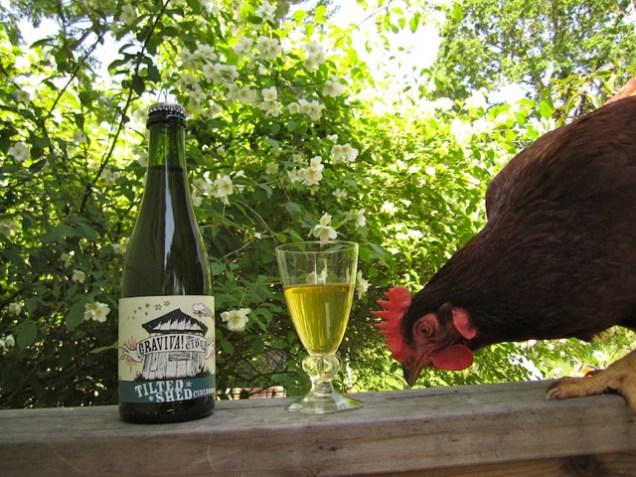
WHAT:  Tilted Shed Ciderworks 2012 Graviva! Semidry Cider

Graviva! is our homage to the beleaguered, beautiful Gravenstein, which was Sonoma County’s main agricultural crop until post-WWII, when imported apples and eventually the wine industry put the squeeze on growers. Now there are around 600 acres left in cultivation, down from a few thousand just a couple of decades ago. It’s a blend of 50% Gravs with 50% heirloom and cider apples, including Hubbardston Nonesuch (a low-tannin, low-acid sweet from 1830s Massachusetts) and Nehou (a high-tannin, low-acid bittersweet from 1920s France), all organically grown on Sonoma County farms. It’s a lightly effervescent, bright, crisp cider with refreshing acidity, slight floral aroma, and a touch of sweetness and tannin.

We hand-washed, sorted, ground, and pressed the apples from August to October 2012 at our small cidery in west Sonoma County. Then Scott sent the juice onto a cool, slow fermentation in small batches until late March 2012. Our process is more akin to white wine production; the long fermentation allows the cider to develop more nuance and aromatics, which may be lost in a fast, hot ferment. Then Scott blended it, aged it for a month, then began bottling by hand. We released Graviva! in early May, for a total of 400 gallons.

WHAT TO PAIR WITH : Graviva! is fantastic as an aperitif, with cheeses (especially the sheep and cow dairy cheeses by our friends at Weirauch Farm & Creamery) and charcuterie. Its balance of acidity, sweetness, and tannin also makes it a great accompaniment to pork tenderloin, salmon, oysters, and spicy foods (especially curry dishes). I most like to pair it with is a hammock on a sunny day, but our most memorable pairing was with local salmon.
x
We serve it lightly chilled; 50 to 55 degrees is the sweet spot for releasing the aromatics.
x
WHEN & WHERE: The most memorable pairing we had with Graviva! was in late July 2012 at our house. Scott had just turned the Big 40, and we were three weeks away from launching our very first batches of ciders at Sebastopol’s Gravenstein Apple Fair. Early in the morning, Scott drove out to nearby Bodega Bay, where he bought a whole salmon straight off the fisherman’s boat. He smoked it in our wood smoker, and also made focaccia from scratch. Meanwhile, I picked and prepared a bunch of vegetables from our garden: cucumbers, carrots, green beans, and Sungold tomatoes. Our good friends and their kids came over, one friend brought the yummiest carrot cupcakes, we busted out a few as-yet-unlabeled bottles of Graviva! (we were still waiting to get the labels from the printer!), feasted on the best salmon we’ve ever had, and had a fun, noisy dinner party on our deck.

WHY: There is something inherently celebratory about Graviva! Not only did it make for a convivial dinner, it’s been poured instead of Champagne at weddings, and we recently served it on Mother’s Day as a toast to my  mom.

Graviva! label5-13X

To find out more:
Note: The lovely chicken pictured is a Rhode Island Red, and her name is Big Red.